

Recovering from a broken ankle can be a challenging journey, but there are steps individuals can take to expedite the healing process and regain mobility sooner. This can begin by following the guidance of a podiatrist and adhering to the prescribed treatment plan, which may include immobilization through a cast or brace. Elevating the injured ankle above heart level can help reduce swelling and alleviate discomfort. Engaging in gentle range-of-motion exercises can prevent stiffness and promote flexibility in the ankle joint. Adequate nutrition, including foods rich in calcium and vitamin D, supports bone health and aids in the healing process. Finally, maintaining a positive mindset and practicing patience are essential aspects of recovery, as healing from a broken ankle takes time and diligence. If you have broken your ankle, it is suggested that you are under the care of a podiatrist who can provide you with additional recovery tips.
Broken ankles need immediate treatment. If you are seeking treatment, contact one of our podiatrists from Apple Podiatry Group. Our doctors can provide the care you need to keep you pain-free and on your feet.
Broken Ankles
A broken ankle is experienced when a person fractures their tibia or fibula in the lower leg and ankle area. Both of these bones are attached at the bottom of the leg and combine to form what we know to be our ankle.
When a physician is referring to a break of the ankle, he or she is usually referring to a break in the area where the tibia and fibula are joined to create our ankle joint. Ankles are more prone to fractures because the ankle is an area that suffers a lot of pressure and stress. There are some obvious signs when a person experiences a fractured ankle, and the following symptoms may be present.
Symptoms of a Fractured Ankle
If you suspect an ankle fracture, it is recommended to seek treatment as soon as possible. The sooner you have your podiatrist diagnose the fracture, the quicker you’ll be on the way towards recovery.
If you have any questions, please feel free to contact our offices located in Arlington Fort Worth, And Flower Mound, TX . We offer the newest diagnostic and treatment technologies for all your foot care needs.

Plantar fasciitis, a common ailment among basketball players, arises from the intense physical demands of the sport. The continuous running, abrupt stops, and sudden directional changes put immense pressure on the plantar fascia, a thick band of tissue that supports the arch of the foot. Repeated stress can lead to inflammation and micro-tears, causing excruciating heel pain. Players often find themselves grappling with the debilitating effects of this condition, hindering their on-court performance. Ignoring the initial signs can exacerbate the problem, making it imperative for basketball enthusiasts to prioritize preventative measures. Adequate warm-up routines, wearing proper footwear, and incorporating stretching exercises into the daily regimen can aid in reducing the risk of plantar fasciitis. If you have developed heel pain from playing basketball, it is strongly suggested that you consult a podiatrist who can effectively diagnose and treat plantar fasciitis.
Ankle and foot injuries are common among athletes and in many sports. They can be caused by several problems and may be potentially serious. If you are feeling pain or think you were injured in a sporting event or when exercising, consult with one of our podiatrists from Apple Podiatry Group. Our doctors will assess your condition and provide you with quality foot and ankle treatment.
Common Injuries
The most common injuries that occur in sporting activities include:
Symptoms
Symptoms vary depending upon the injury and in some cases, there may be no symptoms at all. However, in most cases, some form of symptom is experienced. Pain, aching, burning, bruising, tenderness, tightness or stiffness, sensation loss, difficulty moving, and swelling are the most common symptoms.
Treatment
Just as symptoms vary depending upon the injury, so do treatment options. A common treatment method is known as the RICE method. This method involves rest, applying ice, compression and elevating the afflicted foot or ankle. If the injury appears to be more serious, surgery might be required, such as arthroscopic or reconstructive surgery. Lastly, rehabilitation or therapy might be needed to gain full functionality in the afflicted area. Any discomfort experienced by an athlete must be evaluated by a licensed, reputable medical professional.
If you have any questions please contact our offices located in Arlington Fort Worth, And Flower Mound, TX . We offer the newest diagnostic and treatment technologies for all your foot and ankle needs.
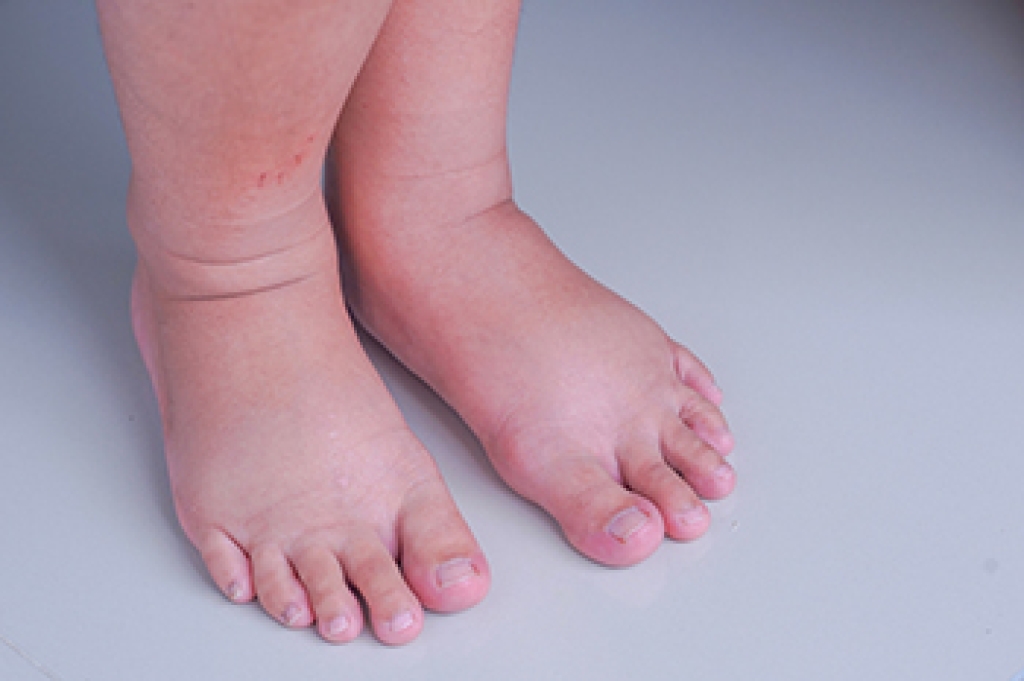
Swollen feet, or edema, can disrupt daily life. This condition often has a spectrum of common causes that individuals should be attuned to for timely intervention and relief. Prolonged periods of standing or sitting, especially in positions that impede healthy blood circulation, can lead to fluid retention, resulting in swollen feet. Another frequent contributor is the choice of footwear, with ill-fitting shoes or high heels imposing pressure that hinders proper blood flow. Injuries, such as sprains or fractures, can trigger inflammation and swelling in the affected area. Underlying medical conditions, including venous insufficiency, arthritis, or heart failure, may manifest in swollen feet. Hormonal changes during pregnancy often result in fluid retention, causing noticeable swelling in the feet and ankles. Lifestyle factors, like a diet high in sodium, can exacerbate fluid retention. Swollen feet can be uncomfortable, and if you have this condition, it is suggested that you visit a podiatrist who can accurately determine the cause, and offer appropriate treatment tips.
Swollen feet can be a sign of an underlying condition. If you have any concerns, contact one of our podiatrists of Apple Podiatry Group. Our doctors can provide the care you need to keep you pain-free and on your feet.
Swollen feet are a common ailment among pregnant women and people who stand or sit for extended periods. Aging may increase the possibility of swollen feet and patients who are obese often notice when their feet are swelling too. There may be medical reasons why swollen feet occur:
Swollen feet can also be caused by bone and tendon conditions, including fractures, arthritis, and tendinitis. Additionally, there may be skin and toenail conditions and an infection may cause the feet to swell. Patients who take medicine to treat high blood pressure may be prone to getting swollen feet.
Many patients elevate their feet to help relieve the swelling and this is generally a temporary remedy. When a podiatrist is consulted the reason behind the swelling can be uncovered and subsequently treated.
If you have any questions please contact our offices located in Arlington Fort Worth, And Flower Mound, TX . We offer the newest diagnostic and treatment technologies for all your foot and ankle needs.

Your feet are covered most of the day. If you're diabetic, periodic screening is important for good health. Numbness is often a sign of diabetic foot and can mask a sore or wound.