Types of Achilles Tendon Injuries

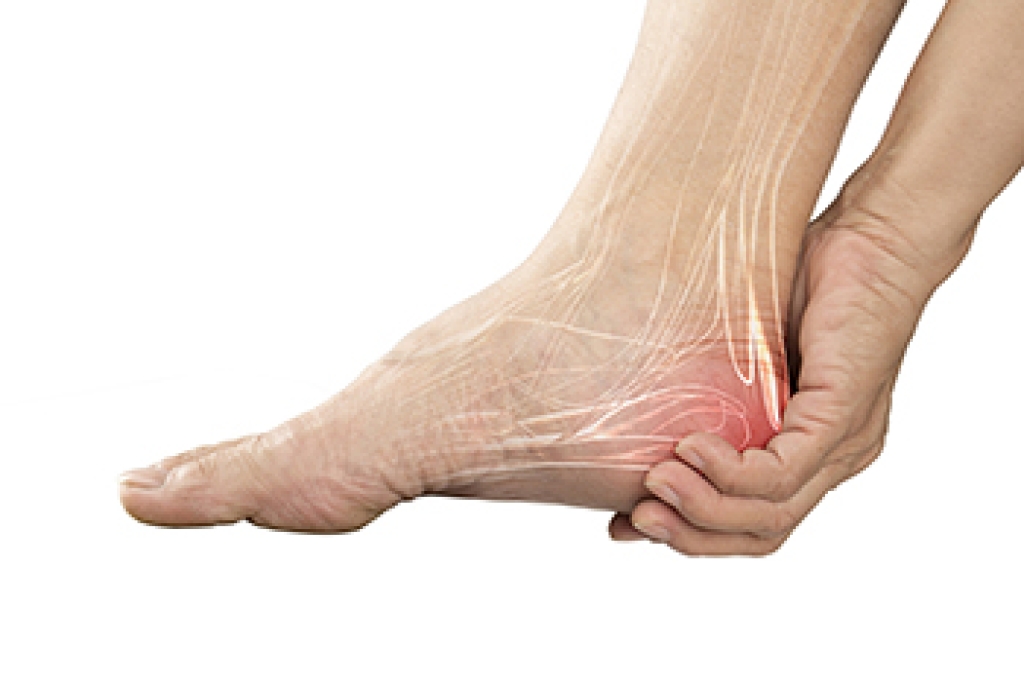
The Achilles tendon connects the calf muscles to the heel and helps the foot move when walking, running, and jumping. Injuries to this strong tendon can range from mild to severe. One type involves soreness and stiffness that develop over time from repeated strain. It is often felt either along the tendon or where it attaches to the heel. Another type of Achilles tendon injury causes swelling and pain around the tendon due to irritation from overuse. Small tears to the Achilles tendon can occur when some fibers are damaged, leading to weakness and ongoing discomfort. A more serious injury, common among athletes, happens when the tendon tears completely. This injury often causes sudden pain and difficulty pushing off the foot or standing on tiptoe. A podiatrist can determine the type and severity of the injury and recommend appropriate treatment, which may include activity changes, support devices, or surgery. If you have injured your Achilles tendon, it is suggested that you make an appointment with a podiatrist for an exam, diagnosis, and treatment.

Achilles tendon injuries need immediate attention to avoid future complications. If you have any concerns, contact one of our podiatrists of Apple Podiatry Group. Our doctors can provide the care you need to keep you pain-free and on your feet.

What Is the Achilles Tendon?

The Achilles tendon is a tendon that connects the lower leg muscles and calf to the heel of the foot. It is the strongest tendon in the human body and is essential for making movement possible. Because this tendon is such an integral part of the body, any injuries to it can create immense difficulties and should immediately be presented to a doctor.

What Are the Symptoms of an Achilles Tendon Injury?

There are various types of injuries that can affect the Achilles tendon. The two most common injuries are Achilles tendinitis and ruptures of the tendon.

Achilles Tendinitis Symptoms

  • Inflammation
  • Dull to severe pain
  • Increased blood flow to the tendon
  • Thickening of the tendon

Rupture Symptoms

  • Extreme pain and swelling in the foot
  • Total immobility

Treatment and Prevention

Achilles tendon injuries are diagnosed by a thorough physical evaluation, which can include an MRI. Treatment involves rest, physical therapy, and in some cases, surgery. However, various preventative measures can be taken to avoid these injuries, such as:

  • Thorough stretching of the tendon before and after exercise
  • Strengthening exercises like calf raises, squats, leg curls, leg extensions, leg raises, lunges, and leg presses

If you have any questions please feel free to contact our offices located in Arlington Fort Worth, And Flower Mound, TX . We offer the newest diagnostic tools and technology to treat your foot and ankle needs.

Read more about The Causes, Types, and Treatments of Achilles Tendon Injuries

Dealing With Gout

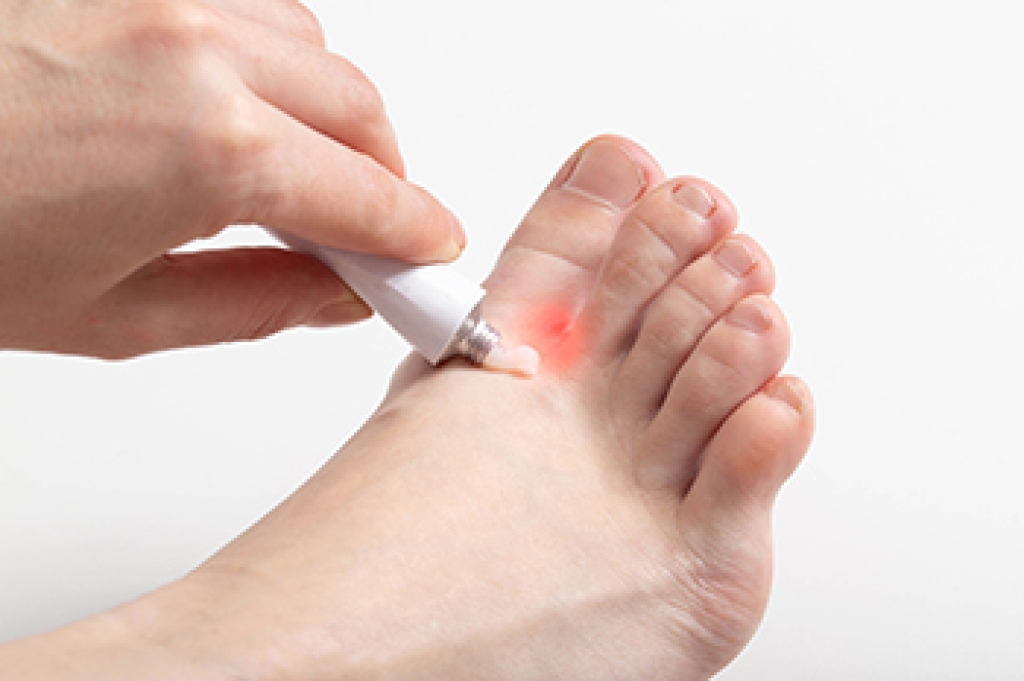
Gout is a painful form of inflammatory arthritis that affects men more often, frequently appearing in the big toe or forefoot. It is caused by elevated uric acid levels that form sharp crystals inside the joint. The affected area may look red, swollen, and warm, with skin that appears tight or inflamed. It often feels like sudden intense pain, burning, or extreme tenderness, sometimes starting at night and making walking difficult. Causes include genetics, kidney issues, and diets high in purines such as red meat and seafood, which are more common risk factors in men. A podiatrist can help from the start by evaluating symptoms, confirming the diagnosis through examination, imaging, and lab coordination when needed. Treatment may begin with inflammation and pain management, and activity modification, then move into long-term control, education, and prevention strategies. It is suggested that if you are experiencing sudden joint pain in the foot to schedule an appointment with a podiatrist for effective relief and management tips.

Gout is a foot condition that requires certain treatment and care. If you are seeking treatment, contact one of our podiatrists from Apple Podiatry Group. Our doctors will treat your foot and ankle needs.

What Is Gout?

Gout is a type of arthritis caused by a buildup of uric acid in the bloodstream. It often develops in the foot, especially the big toe area, although it can manifest in other parts of the body as well. Gout can make walking and standing very painful and is especially common in diabetics and the obese.

People typically get gout because of a poor diet. Genetic predisposition is also a factor. The children of parents who have had gout frequently have a chance of developing it themselves.

Gout can easily be identified by redness and inflammation of the big toe and the surrounding areas of the foot. Other symptoms include extreme fatigue, joint pain, and running high fevers. Sometimes corticosteroid drugs can be prescribed to treat gout, but the best way to combat this disease is to get more exercise and eat a better diet.

If you have any questions, please feel free to contact our offices located in Arlington Fort Worth, And Flower Mound, TX . We offer the newest diagnostic and treatment technologies for all your foot care needs.

Read more about Everything You Need to Know About Gout

We Can Treat Your Foot or Ankle Pain

Foot or ankle pain can negatively affect your day-to-day life and can occur due to several different conditions. Pain can also be an indicator of a more serious underlying condition, which is why you should seek professional help as soon as you notice any abnormalities in your feet.

Common Causes of a Swollen Big Toe

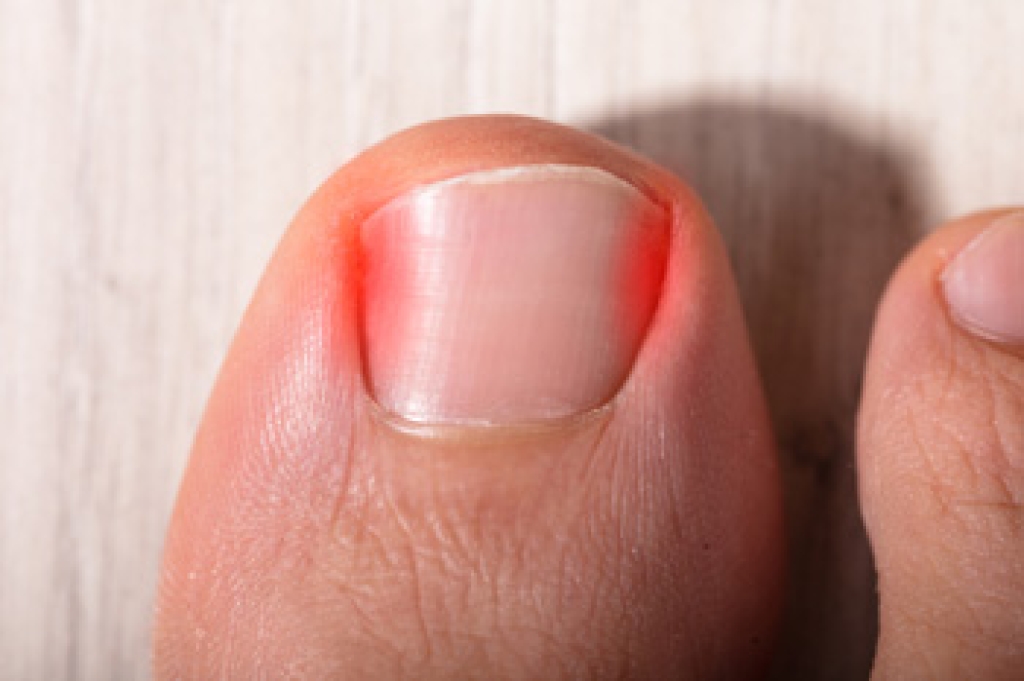
A swollen big toe can be painful and may interfere with walking or daily activities. One common cause is an ingrown toenail, which occurs when the nail edge grows into the surrounding skin and leads to redness and swelling. A fracture in the toe bone can also cause sudden swelling, bruising, and tenderness after an injury. Bunions often create chronic swelling at the base of the big toe due to joint misalignment. Additionally, gout is another cause and may lead to intense swelling, warmth, and pain from uric acid buildup. Hallux rigidus causes stiffness and swelling from arthritis in the big toe joint. A podiatrist can determine the exact cause through examination and imaging, then provide proper treatment to relieve pain and restore function. If big toe swelling persists or worsens, it is suggested that you consult a podiatrist for an expert evaluation and appropriate  care.

Toe pain can disrupt your daily activities. If you have any concerns, contact one of our podiatrists of Apple Podiatry Group. Our doctors can provide the care you need to keep you pain-free and on your feet.

What Causes Toe Pain?

Most severe toe pain is caused due to a sports injury, trauma from dropping something heavy on the toe, or bumping into something rigid. Other problems can develop over time for various reasons.

Toe pain can be caused by one or more ailments. The most common include:

  • Trauma
  • Sports injury
  • Wearing shoes that are too tight
  • Arthritis
  • Gout
  • Corns and calluses
  • Hammertoe
  • Bunions
  • Blisters
  • Ingrown toenails
  • Sprains
  • Fractures (broken bones)
  • Dislocations

When to See a Podiatrist

  • Severe pain
  • Persistent pain that lasts more than a week
  • Signs of infection
  • Continued swelling
  • Pain that prevents walking

Diagnosis

In many cases the cause of toe pain is obvious, but in others, a podiatrist may want to use more advanced methods to determine the problem. These can range from simple visual inspections and sensation tests to X-rays and MRI scans. Prior medical history, family medical history, and any recent physical traumatic events will all be taken into consideration for a proper diagnosis.

Treatment

Treatments for toe pain and injuries vary and may include shoe inserts, padding, taping, medicines, injections, and in some cases, surgery. If you believe that you have broken a toe, please see a podiatrist as soon as possible.

If you have any questions please contact our offices located in Arlington Fort Worth, And Flower Mound, TX . We offer the newest diagnostic and treatment technologies for all your foot and ankle needs.


Read more about Toe Pain

Tips for Seniors Wearing High Heels

Wearing high heels later in life adds pressure on the forefoot and increases strain on the toes and ankles, which can make balance more difficult and raise the chance of falls. When a heel sits too far back on the shoe and does not line up well with the leg bones, the foot is not properly supported and the ankle can become unstable. A heel positioned more directly under the leg helps improve balance, reduces wobbling, and lowers the chance of injuries. Choosing a shorter or wider heel eases pressure on the ball of the foot, and avoiding very narrow styles for long-term standing helps limit irritation. High heels also shift weight forward, which can lead to aching or burning beneath the ball of the foot. A podiatrist can offer guidance on safer footwear choices and prescribe orthotic inserts as needed. If you are experiencing foot pain or balance problems from wearing high heels, it is suggested that you make an appointment with a podiatrist for an exam and treatment.

High heels have a history of causing foot and ankle problems. If you have any concerns about your feet or ankles, contact one of our podiatrists from Apple Podiatry Group. Our doctors can provide the care you need to keep you pain-free and on your feet.

Effects of High Heels on the Feet

High heels are popular shoes among women because of their many styles and societal appeal.  Despite this, high heels can still cause many health problems if worn too frequently.

Which Parts of My Body Will Be Affected by High Heels?

  • Ankle Joints
  • Achilles Tendon – May shorten and stiffen with prolonged wear
  • Balls of the Feet
  • Knees – Heels cause the knees to bend constantly, creating stress on them
  • Back – They decrease the spine’s ability to absorb shock, which may lead to back pain.  The vertebrae of the lower back may compress.

What Kinds of Foot Problems Can Develop from Wearing High Heels?

  • Corns
  • Calluses
  • Hammertoe
  • Bunions
  • Morton’s Neuroma
  • Plantar Fasciitis

How Can I Still Wear High Heels and Maintain Foot Health?

If you want to wear high heeled shoes, make sure that you are not wearing them every day, as this will help prevent long term physical problems.  Try wearing thicker heels as opposed to stilettos to distribute weight more evenly across the feet.  Always make sure you are wearing the proper shoes for the right occasion, such as sneakers for exercising.  If you walk to work, try carrying your heels with you and changing into them once you arrive at work.  Adding inserts to your heels can help cushion your feet and absorb shock. Full foot inserts or metatarsal pads are available. 

If you have any questions, please feel free to contact our offices located in Arlington Fort Worth, And Flower Mound, TX . We offer the newest diagnostic and treatment technologies for all your foot care needs.

Read more about Why High Heels Are Not Ideal for Healthy Feet