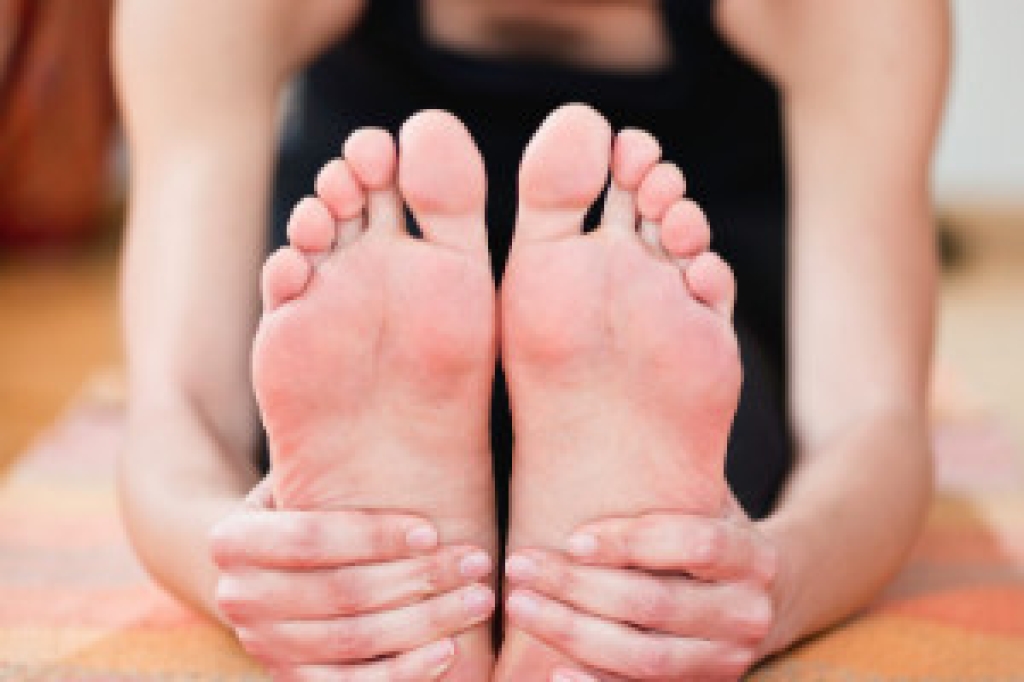
Falls in older adults often stem from both internal factors, such as poor balance or weakened muscles, and external factors like shoes that lack adequate support. The feet play a central role in stability, especially among the senior population. Even minor problems like corns, calluses, or loss of sensation from neuropathy can affect balance. Ill-fitting shoes, slippery soles, or loose flip-flops increase the risk of slipping. Stiff or worn-down footwear can alter gait and make it harder to react to uneven surfaces. Regular foot exams are important to detect changes in joint flexibility, arch collapse, or reduced feeling in the toes, which can interfere with safe walking. A podiatrist can evaluate foot strength and structure, prescribe custom orthotic inserts for support, and recommend footwear that improves balance and traction. If you have fallen or are at risk for falling, it is suggested that you make an appointment with a podiatrist for an exam and guidance.
Preventing falls among the elderly is very important. If you are older and have fallen or fear that you are prone to falling, consult with one of our podiatrists from Apple Podiatry Group. Our doctors will assess your condition and provide you with quality advice and care.
Every 11 seconds, an elderly American is being treated in an emergency room for a fall related injury. Falls are the leading cause of head and hip injuries for those 65 and older. Due to decreases in strength, balance, senses, and lack of awareness, elderly persons are very susceptible to falling. Thankfully, there are a number of things older persons can do to prevent falls.
How to Prevent Falls
Some effective methods that older persons can do to prevent falls include:
- Enrolling in strength and balance exercise program to increase balance and strength
- Periodically having your sight and hearing checked
- Discuss any medications you have with a doctor to see if it increases the risk of falling
- Clearing the house of falling hazards and installing devices like grab bars and railings
- Utilizing a walker or cane
- Wearing shoes that provide good support and cushioning
- Talking to family members about falling and increasing awareness
Falling can be a traumatic and embarrassing experience for elderly persons; this can make them less willing to leave the house, and less willing to talk to someone about their fears of falling. Doing such things, however, will increase the likelihood of tripping or losing one’s balance. Knowing the causes of falling and how to prevent them is the best way to mitigate the risk of serious injury.
If you have any questions, please feel free to contact our offices located in Arlington Fort Worth, And Flower Mound, TX . We offer the newest diagnostic and treatment technologies for all your foot care needs.

Foot pain from cycling is often linked to how the foot interacts with the shoe, pedal, and cleat system, and several issues may contribute. Shoes that are too tight or have a narrow toe box can compress the toes and restrict blood flow. Also, thick socks or bulky insoles can further crowd the foot inside the shoe. Cleat placement is another major cause of foot pain from cycling. Cleats positioned too far forward place excess pressure on the ball of the foot and increase strain on the small stabilizing muscles. This can lead to numbness, tingling, or pain across the forefoot. Some cyclists also develop discomfort on the outside of the foot, near the fifth metatarsal. This is especially true when the natural forefoot position tilts slightly inward, causing uneven weight distribution. Persistent foot pain from cycling may require professional evaluation to prevent worsening of symptoms. If you are experiencing foot pain after cycling, it is suggested that you schedule an appointment with a podiatrist for an exam and appropriate treatment.
Sports related foot and ankle injuries require proper treatment before players can go back to their regular routines. For more information, contact one of our podiatrists of Apple Podiatry Group. Our doctors can provide the care you need to keep you pain-free and on your feet.
Sports Related Foot and Ankle Injuries
Foot and ankle injuries are a common occurrence when it comes to athletes of any sport. While many athletes dismiss the initial aches and pains, the truth is that ignoring potential foot and ankle injuries can lead to serious problems. As athletes continue to place pressure and strain the area further, a mild injury can turn into something as serious as a rupture and may lead to a permanent disability. There are many factors that contribute to sports related foot and ankle injuries, which include failure to warm up properly, not providing support or wearing bad footwear. Common injuries and conditions athletes face, including:
- Plantar Fasciitis
- Achilles Tendinitis
- Achilles Tendon Rupture
- Ankle Sprains
Sports related injuries are commonly treated using the RICE method. This includes rest, applying ice to the injured area, compression and elevating the ankle. More serious sprains and injuries may require surgery, which could include arthroscopic and reconstructive surgery. Rehabilitation and therapy may also be required in order to get any recovering athlete to become fully functional again. Any unusual aches and pains an athlete sustains must be evaluated by a licensed, reputable medical professional.
If you have any questions please contact our offices located in Arlington Fort Worth, And Flower Mound, TX . We offer the newest diagnostic and treatment technologies for all your foot and ankle needs.

Rheumatoid arthritis is an autoimmune disease that causes the body to attack the thin layer of cells that cover the joints, leading to soreness, swelling, and ongoing inflammation. When it affects the feet, it can cause stiffness, pain, warmth, and difficulty walking. The exact cause is unknown, but risk factors include family history, certain hormones, and smoking, which may trigger the immune system to react in harmful ways. Over time, this condition can damage joints and change the shape of the feet. A podiatrist can help by offering supportive footwear, custom orthotics, and treatment plans that reduce pressure and improve comfort. If you have persistent foot pain related to rheumatoid arthritis, it is suggested that you are under the care of a podiatrist who can help you to manage this condition.
Because RA affects more than just your joints, including the joints in your feet and ankles, it is important to seek early diagnosis from your podiatrist if you feel like the pain in your feet might be caused by RA. For more information, contact one of our podiatrists of Apple Podiatry Group. Our doctors will assist you with all of your podiatric concerns.
What Is Rheumatoid Arthritis?
Rheumatoid Arthritis (RA) is an autoimmune disorder in which the body’s own immune system attacks the membranes surrounding the joints. Inflammation of the lining and eventually the destruction of the joint’s cartilage and bone occur, causing severe pain and immobility.
Rheumatoid Arthritis of the Feet
Although RA usually attacks multiple bones and joints throughout the entire body, almost 90 percent of cases result in pain in the foot or ankle area.
Symptoms
- Swelling and pain in the feet
- Stiffness in the feet
- Pain on the ball or sole of feet
- Joint shift and deformation
Diagnosis
Quick diagnosis of RA in the feet is important so that the podiatrist can treat the area effectively. Your doctor will ask you about your medical history, occupation, and lifestyle to determine the origin of the condition. Rheumatoid Factor tests help to determine if someone is affected by the disease.
If you have any questions, please feel free to contact our offices located in Arlington Fort Worth, And Flower Mound, TX . We offer the newest diagnostic and treatment technologies for all your foot care needs.
