Tuesday, 06 January 2026 00:00

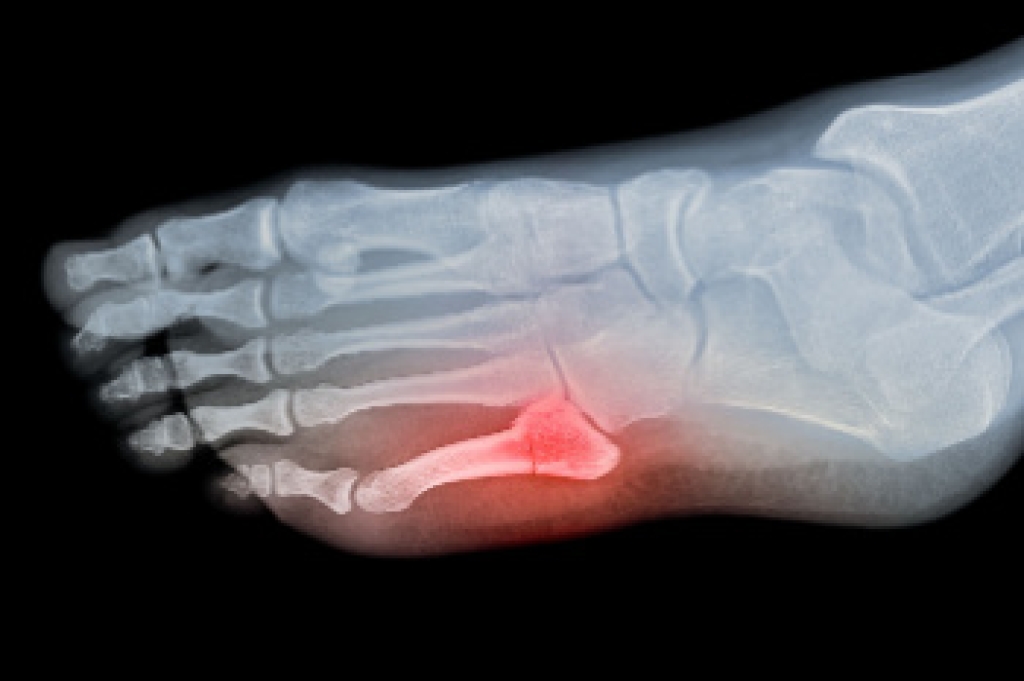
Bursitis of the heel occurs when a small fluid filled sac near the Achilles tendon becomes irritated, often from pressure, repetitive rubbing, or increased activity. This irritation can cause a deep ache at the back of the heel, along with swelling, warmth, or tenderness when wearing shoes with a stiff heel counter. Some people feel sharper pain when rising onto the toes or after long periods of standing. Rest and changes in footwear may ease the discomfort, but persistent symptoms often need more directed care. A podiatrist can examine the area to confirm the source of the pain, recommend supportive shoes or padding, and offer treatments that reduce inflammation. In some cases, imaging or targeted therapies may be used to calm the irritated tissue. If your heel pain continues to interfere with daily comfort, it is suggested that you see a podiatrist for effective relief and treatment solutions.

Many people suffer from bouts of heel pain. For more information, contact one of our podiatrists of Apple Podiatry Group. Our doctors can provide the care you need to keep you pain-free and on your feet.

Causes of Heel Pain

Heel pain is often associated with plantar fasciitis. The plantar fascia is a band of tissues that extends along the bottom of the foot. A rip or tear in this ligament can cause inflammation of the tissue.

Achilles tendonitis is another cause of heel pain. Inflammation of the Achilles tendon will cause pain from fractures and muscle tearing. Lack of flexibility is also another symptom.

Heel spurs are another cause of pain. When the tissues of the plantar fascia undergo a great deal of stress, it can lead to ligament separation from the heel bone, causing heel spurs.

Why Might Heel Pain Occur?

  • Wearing ill-fitting shoes                
  • Wearing non-supportive shoes
  • Weight change           
  • Excessive running

Treatments

Heel pain should be treated as soon as possible for immediate results. Keeping your feet in a stress-free environment will help. If you suffer from Achilles tendonitis or plantar fasciitis, applying ice will reduce the swelling. Stretching before an exercise like running will help the muscles. Using all these tips will help make heel pain a condition of the past.

If you have any questions, please feel free to contact our offices located in Arlington Fort Worth, And Flower Mound, TX . We offer the newest diagnostic and treatment technologies for all your foot care needs.

Read more about Heel Pain
Tuesday, 30 December 2025 00:00

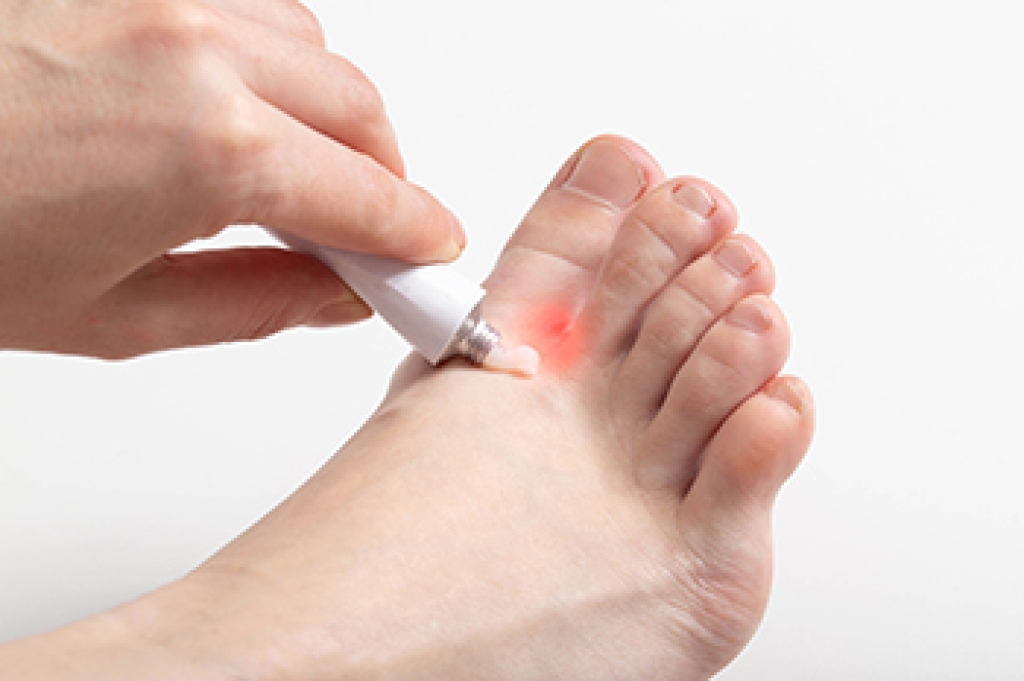
A toenail can fall off for a variety of reasons, most commonly from an injury or repetitive trauma to the toe. Stubbing the toe, dropping something heavy on it, or wearing shoes that create excessive pressure can cause blood to collect under the nail, which can lead to detachment. Fungal infections are another frequent cause of toenail loss, as they weaken the nail. The infection leads to changes in thickness, shape, and color before separation occurs. Skin conditions like psoriasis or eczema may also affect the nail matrix, the area where new nail tissue forms, and result in toenail loss. Before a toenail falls off, people often notice loosening at the tip, discoloration, or pain surrounding the nail bed. A podiatrist can examine the foot, determine the cause, and provide treatment to protect nail regrowth and relieve pain. If your toenail is loose or falling off, it is suggested that you schedule an appointment with a podiatrist for an exam and appropriate treatment.

Toe pain can disrupt your daily activities. If you have any concerns, contact one of our podiatrists of Apple Podiatry Group. Our doctors can provide the care you need to keep you pain-free and on your feet.

What Causes Toe Pain?

Most severe toe pain is caused due to a sports injury, trauma from dropping something heavy on the toe, or bumping into something rigid. Other problems can develop over time for various reasons.

Toe pain can be caused by one or more ailments. The most common include:

  • Trauma
  • Sports injury
  • Wearing shoes that are too tight
  • Arthritis
  • Gout
  • Corns and calluses
  • Hammertoe
  • Bunions
  • Blisters
  • Ingrown toenails
  • Sprains
  • Fractures (broken bones)
  • Dislocations

When to See a Podiatrist

  • Severe pain
  • Persistent pain that lasts more than a week
  • Signs of infection
  • Continued swelling
  • Pain that prevents walking

Diagnosis

In many cases the cause of toe pain is obvious, but in others, a podiatrist may want to use more advanced methods to determine the problem. These can range from simple visual inspections and sensation tests to X-rays and MRI scans. Prior medical history, family medical history, and any recent physical traumatic events will all be taken into consideration for a proper diagnosis.

Treatment

Treatments for toe pain and injuries vary and may include shoe inserts, padding, taping, medicines, injections, and in some cases, surgery. If you believe that you have broken a toe, please see a podiatrist as soon as possible.

If you have any questions please contact our offices located in Arlington Fort Worth, And Flower Mound, TX . We offer the newest diagnostic and treatment technologies for all your foot and ankle needs.

Read more about Toe Pain
Tuesday, 23 December 2025 00:00

The foot is a complex structure designed to support your body and keep you moving with ease. It contains 28 bones that work together with strong ligaments, flexible tendons, and stable ankle joints to create balance and motion. These parts allow the foot to perform essential actions such as plantar flexion, which helps you point your toes and push off while walking. When any part of this structure becomes strained or injured, pain and mobility problems can follow. A podiatrist can evaluate how your bones, ligaments, and tendons are functioning, and provide treatment to restore proper movement and comfort. If you have sustained a foot injury or have difficulty walking, it is suggested that you consult a podiatrist who can treat various foot and ankle conditions, and answer any questions you may have about foot anatomy.

If you have any concerns about your feet, contact one of our podiatrists from Apple Podiatry Group. Our doctors can provide the care you need to keep you pain-free and on your feet.

Biomechanics in Podiatry

Podiatric biomechanics is a particular sector of specialty podiatry with licensed practitioners who are trained to diagnose and treat conditions affecting the foot, ankle and lower leg. Biomechanics deals with the forces that act against the body, causing an interference with the biological structures. It focuses on the movement of the ankle, the foot and the forces that interact with them.

A History of Biomechanics

  • Biomechanics dates back to the BC era in Egypt where evidence of professional foot care has been recorded.
  • In 1974, biomechanics gained a higher profile from the studies of Merton Root, who claimed that by changing or controlling the forces between the ankle and the foot, corrections or conditions could be implemented to gain strength and coordination in the area.

Modern technological improvements are based on past theories and therapeutic processes that provide a better understanding of podiatric concepts for biomechanics. Computers can provide accurate information about the forces and patterns of the feet and lower legs.

Understanding biomechanics of the feet can help improve and eliminate pain, stopping further stress to the foot.

If you have any questions please feel free to contact our offices located in Arlington Fort Worth, And Flower Mound, TX . We offer the newest diagnostic and treatment technologies for all your foot and ankle needs.

Read more about The Importance of Biomechanics in Podiatry
Thursday, 18 December 2025 00:00

Constant care and regular evaluation are important for a foot or ankle fracture. If left untreated, foot or ankle fractures can worsen over time and create more serious problems.

Don't wait to be examined if you believe you've experienced a foot or ankle fracture.