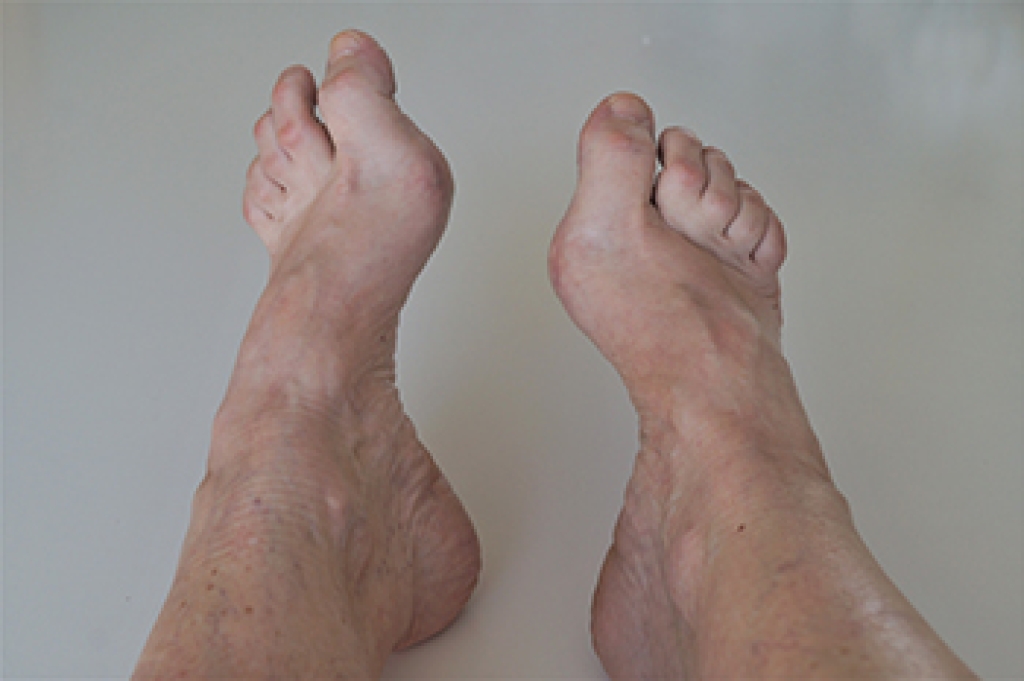
How Gout Affects Foot Health

Gout is a form of inflammatory arthritis that commonly affects the feet, particularly the joint at the base of the big toe. It develops when excess uric acid in the body forms tiny crystals that collect in a joint, leading to sudden episodes of pain and inflammation. A gout flare can occur without warning, and may cause intense discomfort, swelling, redness, and warmth in the affected area. Many people describe the pain as severe enough to make walking or wearing shoes difficult. Although the big toe is the most common location, gout can also affect the ankles and other joints of the foot.

Symptoms of gout often develop quickly and may become severe within a short period of time. During a flare-up, the affected joint may become extremely tender and swollen. While symptoms can improve between episodes, recurring gout attacks may lead to ongoing joint problems, if left untreated. Certain health conditions and elevated uric acid levels can increase the likelihood of developing gout. Because several foot conditions can cause pain and swelling, obtaining an accurate diagnosis is important. Early identification of gout may help reduce the risk of joint damage and support better long-term foot health.

A podiatrist can play an important role in diagnosing and managing gout-related foot pain. After a thorough examination and diagnostic evaluation, a podiatrist can determine whether gout is the cause of symptoms and recommend appropriate treatment options. Professional care focuses on reducing the impact of gout on foot function and helping patients maintain mobility. Because gout often affects weight-bearing joints in the feet, timely treatment can help prevent symptoms from interfering with daily activities. Addressing gout early may also help reduce the risk of future complications involving the joints. If you have gout-related foot pain, it is suggested that you consult a podiatrist for an evaluation and appropriate treatment options, helping you to manage this painful condition.

Gout is a painful condition that can be treated. If you are seeking treatment, contact one of our podiatrists from Apple Podiatry Group. Our doctors will treat your foot and ankle needs.

What Is Gout?

Gout is a form of arthritis that is characterized by sudden, severe attacks of pain, redness, and tenderness in the joints. The condition usually affects the joint at the base of the big toe. A gout attack can occur at any random time, such as the middle of the night while you are asleep.

Symptoms

  • Intense Joint Pain - Usually around the large joint of your big toe, and it most severe within the first four to twelve hours
  • Lingering Discomfort - Joint discomfort may last from a few days to a few weeks
  • Inflammation and Redness -Affected joints may become swollen, tender, warm and red
  • Limited Range of Motion - May experience a decrease in joint mobility

Risk Factors

  • Genetics - If family members have gout, you’re more likely to have it
  • Medications - Diuretic medications can raise uric acid levels
  • Gender/Age - Gout is more common in men until the age of 60. It is believed that estrogen protects women until that point
  • Diet - Eating red meat and shellfish increases your risk
  • Alcohol - Having more than two alcoholic drinks per day increases your risk
  • Obesity - Obese people are at a higher risk for gout

Prior to visiting your podiatrist to receive treatment for gout, there are a few things you should do beforehand. If you have gout you should write down your symptoms--including when they started and how often you experience them, important medical information you may have, and any questions you may have. Writing down these three things will help your podiatrist in assessing your specific situation so that he or she may provide the best route of treatment for you.

If you have any questions, please feel free to contact our offices located in Arlington Fort Worth, And Flower Mound, TX . We offer the newest diagnostic and treatment technologies for all your foot care needs.


Read more about Gout

Reminder: When Was the Last Time...?

Custom orthotics, or shoe inserts, should be periodically replaced. Orthotics must fit properly to give you the best results. Protect your feet and ankles!

Sesamoiditis and Pain Beneath the Big Toe

Sesamoiditis is an inflammatory condition that affects the small sesamoid bones located beneath the big toe joint. These bones help absorb weight and assist with movement, but repeated stress can irritate the surrounding tissues. This condition often causes pain under the ball of the foot, especially when walking or pushing off the toes. Causes include overuse, high-impact activities, or wearing shoes that place pressure on the forefoot. Symptoms include swelling, tenderness, and difficulty bending the big toe. Risk factors include certain foot structures and activities that involve jumping or running. A podiatrist can diagnose the condition and recommend treatment to reduce pain and improve function. If you have pain in this part of your foot, it is suggested that you consult a podiatrist who can accurately diagnose and treat it.

Sesamoiditis is an unpleasant foot condition characterized by pain in the balls of the feet. If you think you’re struggling with sesamoiditis, contact one of our podiatrists of Apple Podiatry Group. Our doctors will treat your condition thoroughly and effectively.

Sesamoiditis

Sesamoiditis is a condition of the foot that affects the ball of the foot. It is more common in younger people than it is in older people. It can also occur with people who have begun a new exercise program, since their bodies are adjusting to the new physical regimen. Pain may also be caused by the inflammation of tendons surrounding the bones. It is important to seek treatment in its early stages because if you ignore the pain, this condition can lead to more serious problems such as severe irritation and bone fractures.

Causes of Sesamoiditis

  • Sudden increase in activity
  • Increase in physically strenuous movement without a proper warm up or build up
  • Foot structure: those who have smaller, bonier feet or those with a high arch may be more susceptible

Treatment for sesamoiditis is non-invasive and simple. Doctors may recommend a strict rest period where the patient forgoes most physical activity. This will help give the patient time to heal their feet through limited activity. For serious cases, it is best to speak with your doctor to determine a treatment option that will help your specific needs.

If you have any questions, please feel free to contact our offices located in Arlington Fort Worth, And Flower Mound, TX . We offer the newest diagnostic and treatment technologies for all your foot care needs.

Read more about Sesamoiditis

Dealing With Cracked Heels in Warmer Weather

Warm weather can be hard on the heels, especially because people spend more time barefoot or wearing sandals and flip-flops. Heat and dry air cause the skin on the feet to lose moisture faster. Open-backed shoes also expose the heels to pressure and friction while walking. This causes the skin to thicken, dry out, and crack. Some cracks stay small, but deeper cracks can bleed and become painful. People with diabetes or poor circulation face a higher risk of infection and slow healing. A podiatrist can examine the heels and remove thick, damaged skin safely. Treatment also includes special creams to soften dry skin and recommendations for supportive footwear that protects the heels. Wearing shoes that fit properly and keeping the feet moisturized can help prevent painful cracks in the summer months. If you have cracked heels, it is suggested that you make an appointment with a podiatrist for an exam and treatment options.

If the skin on your feet starts to crack, you may want to see a podiatrist to find treatment. If you have any concerns, contact one of our podiatrists from Apple Podiatry Group. Our doctors can provide the care you need to keep you pain-free and on your feet.

Cracked Heels

It is important to moisturize your cracked heels in order to prevent pain, bleeding, and infection. The reason cracked heels form is because the skin on the foot is too dry to support the immense pressure placed on them. When the foot expands, the dry skin on the foot begins to split.

Ways to Help Heal Them

  • Invest in a good foot cream
  • Try Using Petroleum Jelly
  • Ease up on Soaps
  • Drink Plenty of Water

Ways to Prevent Cracked Heels

  • Moisturize After Showering
  • Skip a Shower
  • Keep Shower Water Lukewarm
  • Don’t Scrub Your Feet

If you are unsure how to proceed in treating cracked heels, seek guidance from a podiatrist. Your doctor will help you with any questions or information you may need. 

If you have any questions, please feel free to contact our offices located in Arlington Fort Worth, And Flower Mound, TX . We offer the newest diagnostic and treatment technologies for all your foot care needs.
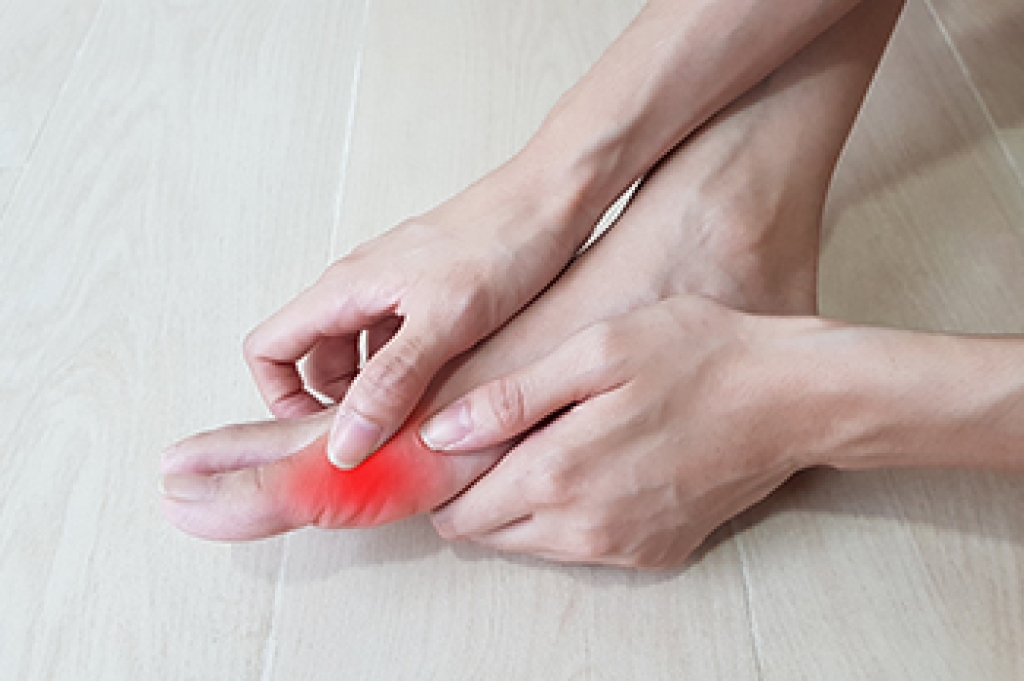
Read more about Solutions for Cracked Heels

What Is Sever’s Disease?

Sever’s disease is a common cause of heel pain in children, and is related to inflammation of the growth plate in the heel. It often occurs during periods of rapid growth when bones lengthen faster than muscles and tendons can adapt. This condition typically affects active children from ages 8 to 14 who participate in sports or activities that involve running and jumping. Symptoms include heel pain during activity, tenderness, swelling, and limping. Risk factors include tight calf muscles, repetitive stress, and wearing footwear that does not fit properly. It happens because the developing heel is more sensitive to strain and pressure. A podiatrist can provide evaluation, recommend stretching and support, and guide recovery. If your active child has heel pain, it is suggested that you consult a podiatrist who can offer effective relief and management tips.

Sever's disease often occurs in children and teens. If your child is experiencing foot or ankle pain, see one of our podiatrists from Apple Podiatry Group. Our doctors can treat your child’s foot and ankle needs.

Sever’s Disease

Sever’s disease is also known as calcaneal apophysitis, which is a medical condition that causes heel pain I none or both feet. The disease is known to affect children between the ages of 8 and 14.

Sever’s disease occurs when part of the child’s heel known as the growth plate (calcaneal epiphysis) is attached to the Achilles tendon. This area can suffer injury when the muscles and tendons of the growing foot do not keep pace with bone growth. Therefore, the constant pain which one experiences at the back of the heel will make the child unable to put any weight on the heel. The child is then forced to walk on their toes.

Symptoms

Acute pain – Pain associated with Sever’s disease is usually felt in the heel when the child engages in physical activity such as walking, jumping and or running.

Highly active – Children who are very active are among the most susceptible in experiencing Sever’s disease, because of the stress and tension placed on their feet.

If you have any questions, please feel free to contact our offices located in Arlington Fort Worth, And Flower Mound, TX . We offer the newest diagnostic and treatment technologies for all your foot care needs.

Read more about Sever's Disease