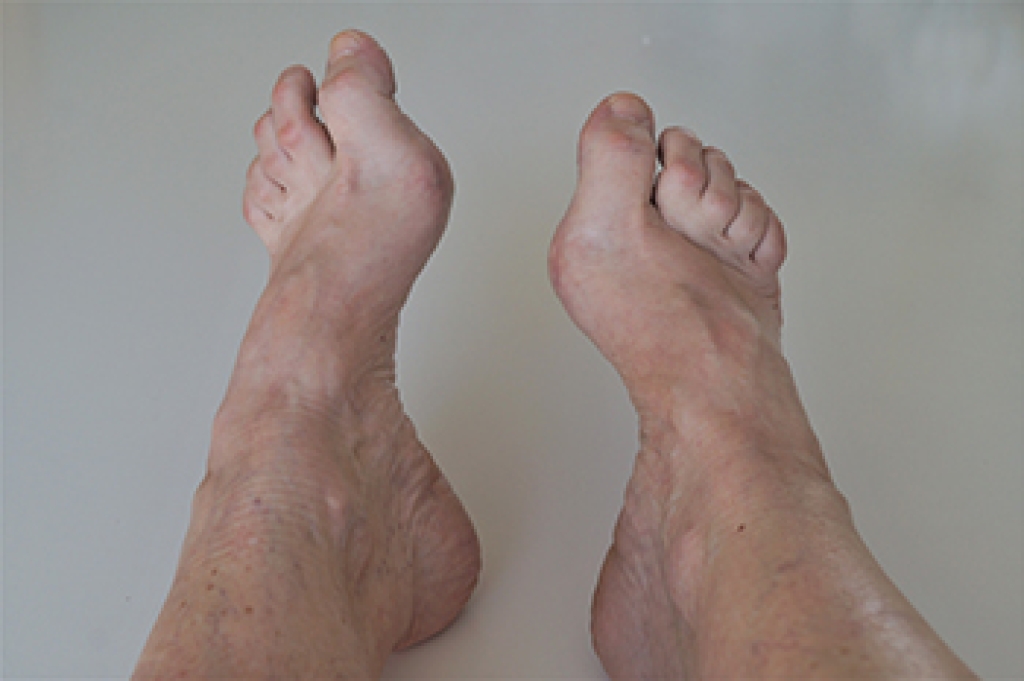
Are You Suffering From Ingrown Toenails?

If left untreated, an ingrown toenail can lead to more serious concerns, such as an infection. Knowing proper nail care can help in the prevention of an ingrown toenail. Give us a call, and get treated!

Hammertoe and Surgical Correction

Hammertoe is a foot deformity that causes a toe to bend downward at the middle joint. It most often affects the second, third, or fourth toe. The affected toe may look curled or raised near its base, with the middle joint pointing downward. Symptoms can include pain, stiffness, and difficulty wearing shoes. Corns or calluses may develop where the bent toe rubs against footwear. Without treatment, hammertoe can become more rigid and uncomfortable.

Hammertoe may develop because of muscle imbalance, inherited foot structure, or shoes that squeeze the toes. Risk factors include family history, aging, previous foot injuries, and wearing narrow footwear for most of the day. High heels can also increase pressure on the front of the foot. Hammertoe in the early stages may remain flexible, allowing the toe to move with pressure. As the deformity progresses, the joint may become stiff and fixed, making walking uncomfortable.


A podiatrist begins by examining the toe, checking its flexibility, and reviewing symptoms and footwear habits. Mild hammertoe may be treated with roomier shoes, padding, or orthotics. When the deformity causes persistent pain or becomes rigid, hammertoe surgery may be considered. Surgical correction depends on the severity and structure of the toe. The podiatrist may straighten the joint, release tight tissues, or remove a small portion of bone. The goal is to improve alignment and reduce painful pressure.


After surgery, the toe is protected with dressing, footwear, or immobilization while healing begins. Weight-bearing instructions depend on the procedure performed. Follow-up visits allow the podiatrist to check healing and monitor alignment. Recovery may also include gentle exercises to restore movement and strength. Do not ignore a toe that gradually becomes curled, painful, or difficult to fit into shoes. If you have hammertoe, it is suggested that you consult a podiatrist for effective treatment solutions, which may include surgery for relief and comfort.

Foot surgery is sometimes necessary to treat a foot ailment. To learn more, contact one of our podiatrists of Apple Podiatry Group. Our doctors will assist you with all of your foot and ankle needs.

When Is Surgery Necessary?

Foot and ankle surgery is generally reserved for cases in which less invasive, conservative procedures have failed to alleviate the problem. Some of the cases in which surgery may be necessary include:

  • Removing foot deformities like bunions and bone spurs
  • Severe arthritis that has caused bone issues
  • Cosmetic reconstruction

What Types of Surgery Are There?

The type of surgery you receive will depend on the nature of the problem you have. Some of the possible surgeries include:

  • Bunionectomy for painful bunions
  • Surgical fusion for realignment of bones
  • Neuropathy decompression surgery to treat nerve damage

Benefits of Surgery

Although surgery is usually a last resort, it can provide more complete pain relief compared to non-surgical methods and may allow you to finally resume full activity.

Surgical techniques have also become increasingly sophisticated. Techniques like endoscopic surgery allow for smaller incisions and faster recovery times.

If you have any questions, please feel free to contact our offices located in Arlington Fort Worth, And Flower Mound, TX . We offer the newest diagnostic and treatment technologies for all your foot care needs.


Read more about Foot and Ankle Surgery

Understanding Skin Bridging and Ingrown Toenails

An ingrown toenail develops when the edge of a toenail grows into the surrounding skin. This can cause pain, swelling, redness, and drainage around the nail. Several factors can contribute to an ingrown toenail, including improper nail trimming, tight shoes, and injury to the toe or nail. Fungal infections and increased sweating can also play a role. When an ingrown toenail remains untreated, the surrounding tissue can become irritated and swollen. In rare, advanced cases, excess tissue can grow around the nail and form a bridge across part of it. This condition is called skin bridging. The bridge can develop when long-lasting inflammation causes the tissue around the nail to become thicker and more fibrous.

A podiatrist can examine an ingrown toenail and determine how advanced the condition has become. The examination can include checking the nail edge, surrounding skin, and tissue for signs of inflammation or infection. A podiatrist can also look for excess tissue that has grown around or across the nail. Skin bridging is rare and has been reported in severe, long-standing cases of ingrown toenails. The condition can make the nail difficult to see and can cause significant swelling around the toe. An evaluation is important because treatment depends on the severity of the ingrown toenail and the amount of tissue involved.

A podiatrist can provide treatment based on the severity of the ingrown toenail. Less advanced cases can be treated with professional nail care and treatment of the affected tissue. More advanced cases can require removal of part or all of the affected nail, along with treatment of the nail-producing tissue to reduce the chance of the problem returning. When skin bridging has developed, a podiatrist can remove the excess tissue and treat the underlying nail problem. Prompt evaluation can help prevent an ingrown toenail from progressing into a more complicated condition. If you have symptoms of skin bridging and ingrown toenails, it is suggested that you make an appointment with a podiatrist for diagnosis and treatment.

Ingrown toenails may initially present themselves as a minor discomfort, but they may progress into an infection in the skin without proper treatment. For more information about ingrown toenails, contact one of our podiatrists of Apple Podiatry Group. Our doctors can provide the care you need to keep you pain-free and on your feet.

Ingrown Toenails

Ingrown toenails are caused when the corner or side of a toenail grows into the soft flesh surrounding it. They often result in redness, swelling, pain, and in some cases, infection. This condition typically affects the big toe and may recur if it is not treated properly.

Causes

  • Improper toenail trimming
  • Genetics
  • Improper shoe fitting
  • Injury from pedicures or nail picking
  • Abnormal gait
  • Poor hygiene

You are more likely to develop an ingrown toenail if you are obese, have diabetes, arthritis, or have any fungal infection in your nails. Additionally, people who have foot or toe deformities are at a higher risk of developing an ingrown toenail.

Symptoms

Some symptoms of ingrown toenails are redness, swelling, and pain. In rare cases, there may be a yellowish drainage coming from the nail.

Treatment

Ignoring an ingrown toenail can have serious complications. Infections of the nail border can progress to a deeper soft-tissue infection, which can then turn into a bone infection. You should always speak with your podiatrist if you suspect you have an ingrown toenail, especially if you have diabetes or poor circulation.

If you have any questions, please feel free to contact our offices located in Arlington Fort Worth, And Flower Mound, TX . We offer the newest diagnostic and treatment technologies for all your foot care needs.
Read more about Ingrown Toenail Care

Common Causes and Risk Factors of Heel Pain

Heel pain is a frequent foot complaint that can affect people of all ages and activity levels. It occurs when the structures that support the heel become irritated or inflamed. The heel absorbs significant impact during walking and running, which makes it vulnerable to stress and injury. Pain may develop gradually or suddenly, depending on the cause. Common types of heel pain involve the plantar fascia and the Achilles tendon, both of which play essential roles in foot movement and stability.

Symptoms of heel pain can vary based on the underlying condition, but often include swelling, stiffness, and discomfort during movement. Some individuals may experience numbness or a tingling sensation in the heel or surrounding areas. Pain is often worse in the morning or after periods of rest, and may improve with light activity before returning with prolonged use. Tenderness at the bottom or back of the heel is common, and pressure on the area may increase discomfort. These symptoms can interfere with daily routines and physical activity.


Several conditions can cause heel pain. Plantar fasciitis is one of the most common, involving inflammation of the band of tissue that runs along the bottom of the foot. Heel spurs, which are bony growths on the heel bone, may develop alongside plantar fasciitis and contribute to pain. Achilles tendonitis affects the tendon at the back of the heel and is often linked to overuse or strain. Each condition involves different structures but can produce similar symptoms that require careful evaluation.


Risk factors for heel pain include prolonged standing, high-impact activities, and poor foot mechanics. Obesity and aging can also increase stress on the heel. Tight calf muscles and lack of flexibility may further contribute to discomfort. Early care is important to prevent chronic issues and support recovery. If you have heel pain, it is suggested that you promptly consult a podiatrist for an accurate diagnosis and appropriate treatment.

Many people suffer from bouts of heel pain. For more information, contact one of our podiatrists of Apple Podiatry Group. Our doctors can provide the care you need to keep you pain-free and on your feet.

Causes of Heel Pain

Heel pain is often associated with plantar fasciitis. The plantar fascia is a band of tissues that extends along the bottom of the foot. A rip or tear in this ligament can cause inflammation of the tissue.

Achilles tendonitis is another cause of heel pain. Inflammation of the Achilles tendon will cause pain from fractures and muscle tearing. Lack of flexibility is also another symptom.

Heel spurs are another cause of pain. When the tissues of the plantar fascia undergo a great deal of stress, it can lead to ligament separation from the heel bone, causing heel spurs.

Why Might Heel Pain Occur?

  • Wearing ill-fitting shoes                
  • Wearing non-supportive shoes
  • Weight change           
  • Excessive running

Treatments

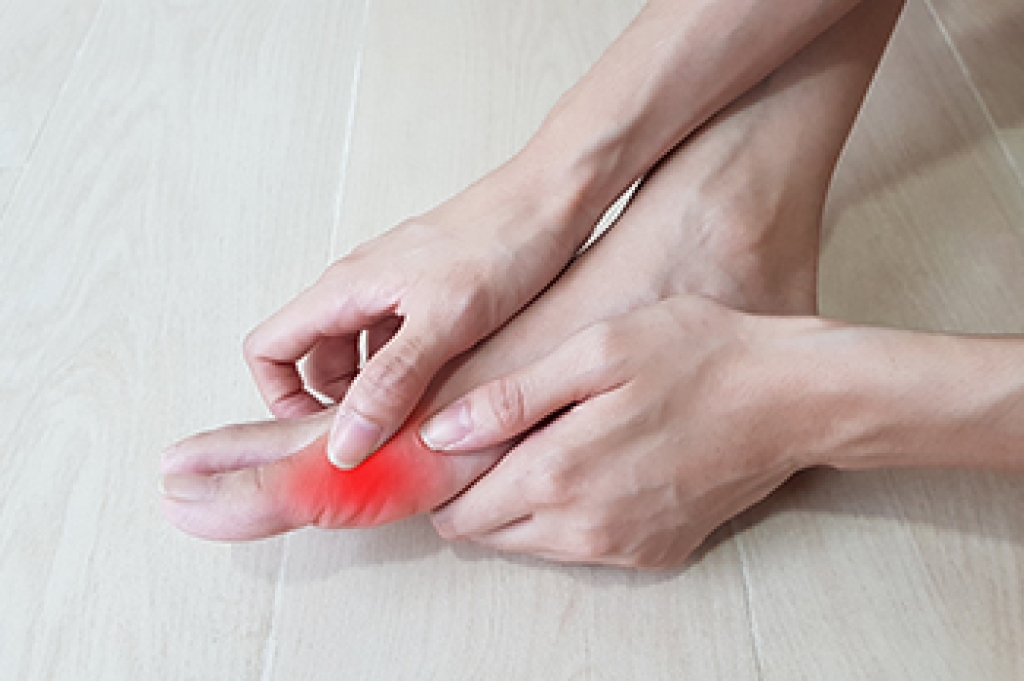
Heel pain should be treated as soon as possible for immediate results. Keeping your feet in a stress-free environment will help. If you suffer from Achilles tendonitis or plantar fasciitis, applying ice will reduce the swelling. Stretching before an exercise like running will help the muscles. Using all these tips will help make heel pain a condition of the past.

If you have any questions, please feel free to contact our offices located in Arlington Fort Worth, And Flower Mound, TX . We offer the newest diagnostic and treatment technologies for all your foot care needs.
Read more about Heel Pain

Wounds That Don't Heal Need to Be Checked

Your feet are covered most of the day. If you're diabetic, periodic screening is important for good health. Numbness is often a sign of diabetic foot and can mask a sore or wound.