Identifying Toenail Fungus

Toenail fungus develops when fungi enter the nail through small cracks, often thriving in warm, moist environments. It may begin subtly, but symptoms can progress to discoloration, thickening, and changes in nail shape. Many people notice yellow or white streaks, brittle texture, or debris under the nail. The affected nail may look dull, misshapen, or crumbly, and while it is sometimes painless, it can also feel tender, uncomfortable, or sensitive to pressure as it thickens. Causes include prolonged moisture exposure, tight footwear, nail injuries, or walking barefoot in shared areas like locker rooms. A podiatrist can help by starting with a thorough examination and testing to confirm the diagnosis, since nail changes can mimic other conditions. Treatment may begin with topical therapies and nail care, and progress to oral medications, or targeted procedures depending on severity and response. If you have toenail fungus, it is suggested that you make an appointment with a podiatrist.

If left untreated, toenail fungus may spread to other toenails, skin, or even fingernails. If you suspect you have toenail fungus it is important to seek treatment right away. For more information about treatment, contact one of our podiatrists of Apple Podiatry Group. Our doctors can provide the care you need to keep you pain-free and on your feet.

Symptoms

  • Warped or oddly shaped nails
  • Yellowish nails
  • Loose/separated nail
  • Buildup of bits and pieces of nail fragments under the nail
  • Brittle, broken, thickened nail

Treatment

If self-care strategies and over-the-counter medications does not help your fungus, your podiatrist may give you a prescription drug instead. Even if you find relief from your toenail fungus symptoms, you may experience a repeat infection in the future.

Prevention

In order to prevent getting toenail fungus in the future, you should always make sure to wash your feet with soap and water. After washing, it is important to dry your feet thoroughly especially in between the toes. When trimming your toenails, be sure to trim straight across instead of in a rounded shape. It is crucial not to cover up discolored nails with nail polish because that will prevent your nail from being able to “breathe”.

In some cases, surgical procedure may be needed to remove the toenail fungus. Consult with your podiatrist about the best treatment options for your case of toenail fungus.  

If you have any questions please contact our offices located in Arlington Fort Worth, And Flower Mound, TX . We offer the newest diagnostic and treatment technologies for all your foot and ankle needs.

Read more about Toenail Fungus

Athlete's Foot Explained

Athlete's foot is a common fungal infection that affects the skin of the feet, most often between the toes, where moisture collects. It occurs when fungus grows in warm, damp environments and spreads through shared surfaces and footwear. Symptoms may include itching, redness, scaling, burning, cracked skin, peeling, and possibly odor. Risk factors include excessive sweating, wearing tight shoes, poor air circulation, public showers, weakened immunity, and prolonged moisture exposure. Causes involve dermatophyte fungi that thrive on moist skin and fabrics. A podiatrist can diagnose the condition accurately, provide medical treatments, recommend proper hygiene, guide footwear choices, and help prevent recurrence. If you have symptoms of athlete’s foot, it is suggested that you consult a podiatrist who can offer effective treatment solutions, which may include prescribed medication. 

Athlete’s foot is an inconvenient condition that can be easily reduced with the proper treatment. If you have any concerns about your feet and ankles, contact one of our podiatrists from Apple Podiatry Group.  Our doctors will treat your foot and ankle needs.

Athlete’s Foot: The Sole Story

Athlete's foot, also known as tinea pedis, can be an extremely contagious foot infection. It is commonly contracted in public changing areas and bathrooms, dormitory style living quarters, around locker rooms and public swimming pools, or anywhere your feet often come into contact with other people.

Solutions to Combat Athlete’s Foot

  • Hydrate your feet by using lotion
  • Exfoliate
  • Buff off nails
  • Use of anti-fungal products
  • Examine your feet and visit your doctor if any suspicious blisters or cuts develop

Athlete’s foot can cause many irritating symptoms such as dry and flaking skin, itching, and redness. Some more severe symptoms can include bleeding and cracked skin, intense itching and burning, and even pain when walking. In the worst cases, Athlete’s foot can cause blistering as well. Speak to your podiatrist for a better understanding of the different causes of Athlete’s foot, as well as help in determining which treatment options are best for you.

If you have any questions please feel free to contact our offices located in Arlington Fort Worth, And Flower Mound, TX . We offer the newest diagnostic and treatment technologies for all your foot and ankle needs.

Read more about Athlete's Foot

Do You Suffer From Painful Feet?

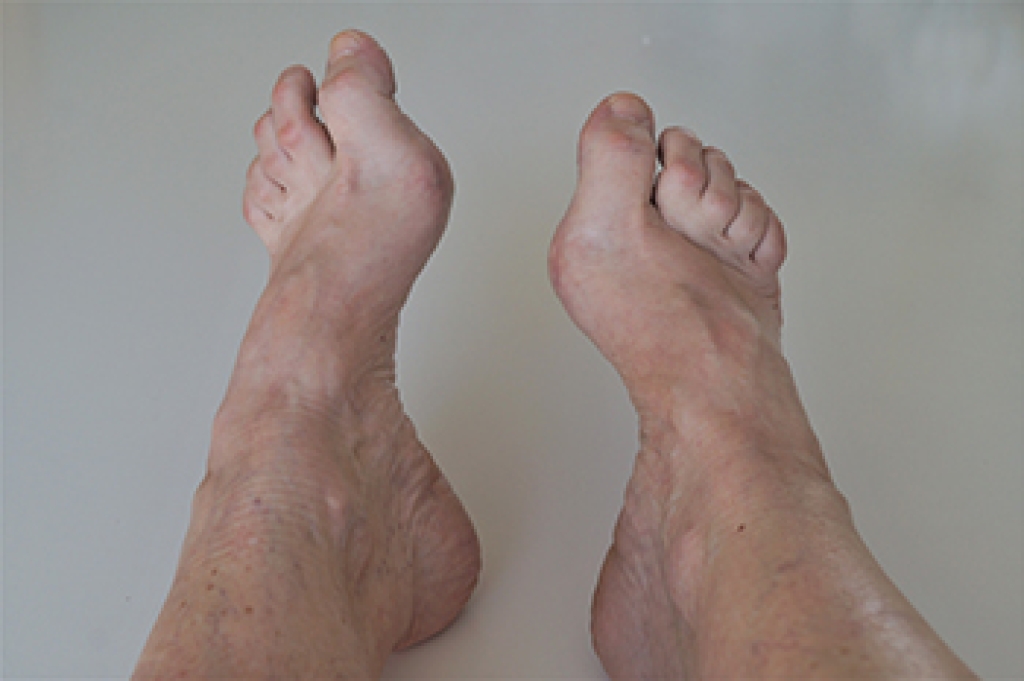
Painful deformities, such as hammertoes, can be treated. Stop living with foot pain, and have beautiful feet again!

Swollen Feet Can Signal Something More

Swollen feet can develop gradually or appear suddenly, and they often indicate that fluid is building up in the tissues. This condition, known as edema, may result from standing for long periods, hot weather, pregnancy, or wearing tight shoes. Injury, infection, and inflammation can also cause one foot to swell. In some cases, swelling in both feet may be linked to circulation problems, vein disorders, heart conditions, or kidney concerns. The skin may look stretched or shiny, and pressing on the area can leave a temporary indentation. Swelling may feel tight, heavy, or uncomfortable, especially at the end of the day. A podiatrist begins with a careful examination to determine whether the cause is local, such as tendon or joint inflammation, or related to a broader medical issue. Treatment depends on the source and may include supportive footwear, compression, elevation, and targeted exercises. If you have swollen feet, it is suggested that you make an appointment with a podiatrist for proper evaluation and care.

Swollen feet can be a sign of an underlying condition. If you have any concerns, contact one of our podiatrists of Apple Podiatry Group. Our doctors can provide the care you need to keep you pain-free and on your feet.

Swollen feet are a common ailment among pregnant women and people who stand or sit for extended periods. Aging may increase the possibility of swollen feet and patients who are obese often notice when their feet are swelling too. There may be medical reasons why swollen feet occur:

  • Phlebitis - A condition that causes the veins to become inflamed and can also cause leg pain.
  • Liver disease - This may lead to low blood levels of albumin which is a protein. This can cause fluid in the blood to pass into the tissues and several areas of the body can become swollen.
  • Heart failure - When the heart doesn’t pump properly the blood that is normally pumped back to the heart can pool in the veins of the legs causing swollen feet.
  • Kidney disease - One of the main functions of the kidneys is releasing excess fluid in the body. This type of condition can make it difficult for the kidneys to function properly, and as a result the feet may become swollen.
  • Deep-vein thrombosis (DVT)- This is a serious condition where blood clots form in the veins of the legs. They can block the return of blood from the legs to the heart which may cause the feet to swell. It is important to be treated by a podiatrist if this condition is present.

Swollen feet can also be caused by bone and tendon conditions, including fractures, arthritis, and tendinitis. Additionally, there may be skin and toenail conditions and an infection may cause the feet to swell. Patients who take medicine to treat high blood pressure may be prone to getting swollen feet. 

Many patients elevate their feet to help relieve the swelling and this is generally a temporary remedy. When a podiatrist is consulted the reason behind the swelling can be uncovered and subsequently treated.

If you have any questions please contact our offices located in Arlington Fort Worth, And Flower Mound, TX . We offer the newest diagnostic and treatment technologies for all your foot and ankle needs.

Read more about Swelling of the Feet

Types of Achilles Tendon Injuries

The Achilles tendon connects the calf muscles to the heel and helps the foot move when walking, running, and jumping. Injuries to this strong tendon can range from mild to severe. One type involves soreness and stiffness that develop over time from repeated strain. It is often felt either along the tendon or where it attaches to the heel. Another type of Achilles tendon injury causes swelling and pain around the tendon due to irritation from overuse. Small tears to the Achilles tendon can occur when some fibers are damaged, leading to weakness and ongoing discomfort. A more serious injury, common among athletes, happens when the tendon tears completely. This injury often causes sudden pain and difficulty pushing off the foot or standing on tiptoe. A podiatrist can determine the type and severity of the injury and recommend appropriate treatment, which may include activity changes, support devices, or surgery. If you have injured your Achilles tendon, it is suggested that you make an appointment with a podiatrist for an exam, diagnosis, and treatment.

Achilles tendon injuries need immediate attention to avoid future complications. If you have any concerns, contact one of our podiatrists of Apple Podiatry Group. Our doctors can provide the care you need to keep you pain-free and on your feet.

What Is the Achilles Tendon?

The Achilles tendon is a tendon that connects the lower leg muscles and calf to the heel of the foot. It is the strongest tendon in the human body and is essential for making movement possible. Because this tendon is such an integral part of the body, any injuries to it can create immense difficulties and should immediately be presented to a doctor.

What Are the Symptoms of an Achilles Tendon Injury?

There are various types of injuries that can affect the Achilles tendon. The two most common injuries are Achilles tendinitis and ruptures of the tendon.

Achilles Tendinitis Symptoms

  • Inflammation
  • Dull to severe pain
  • Increased blood flow to the tendon
  • Thickening of the tendon

Rupture Symptoms

  • Extreme pain and swelling in the foot
  • Total immobility

Treatment and Prevention

Achilles tendon injuries are diagnosed by a thorough physical evaluation, which can include an MRI. Treatment involves rest, physical therapy, and in some cases, surgery. However, various preventative measures can be taken to avoid these injuries, such as:

  • Thorough stretching of the tendon before and after exercise
  • Strengthening exercises like calf raises, squats, leg curls, leg extensions, leg raises, lunges, and leg presses

If you have any questions please feel free to contact our offices located in Arlington Fort Worth, And Flower Mound, TX . We offer the newest diagnostic tools and technology to treat your foot and ankle needs.

Read more about The Causes, Types, and Treatments of Achilles Tendon Injuries