Blog
Common Causes of a Swollen Big Toe

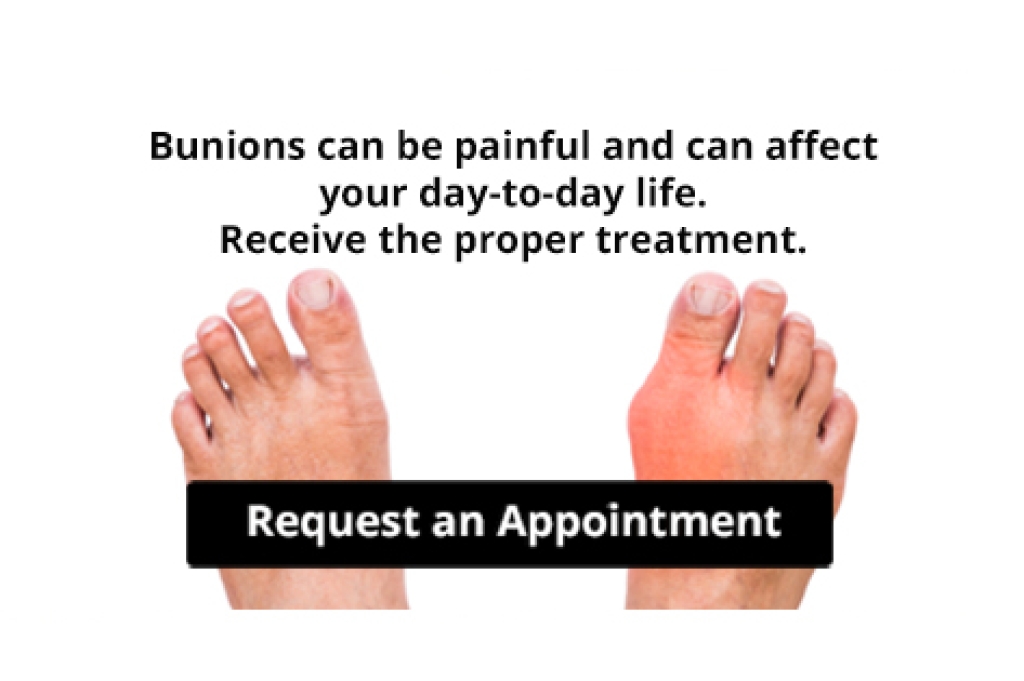
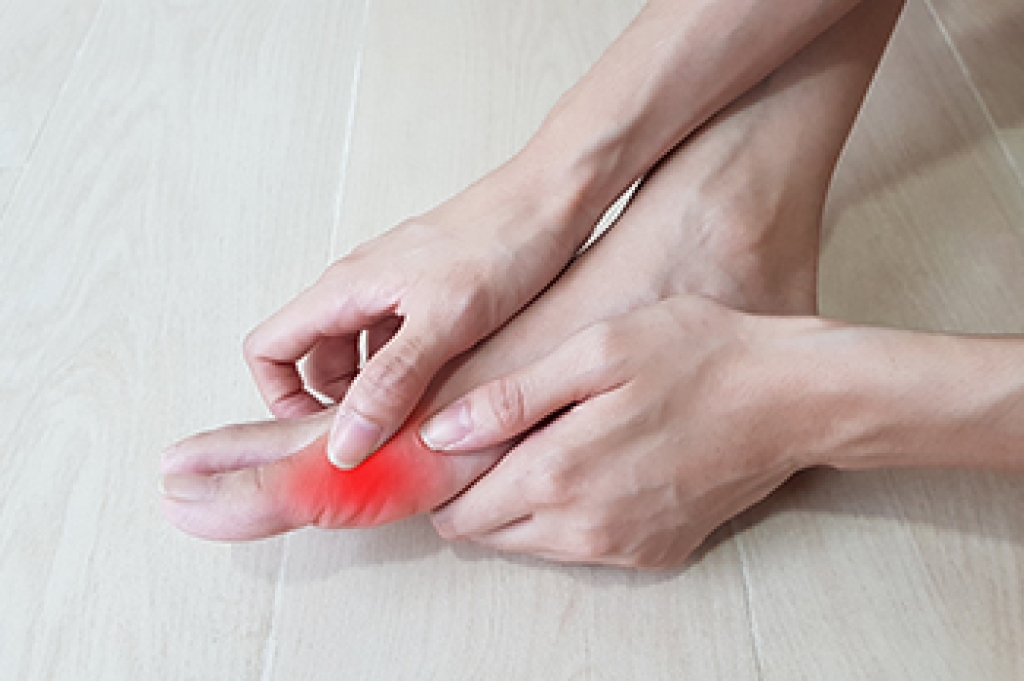
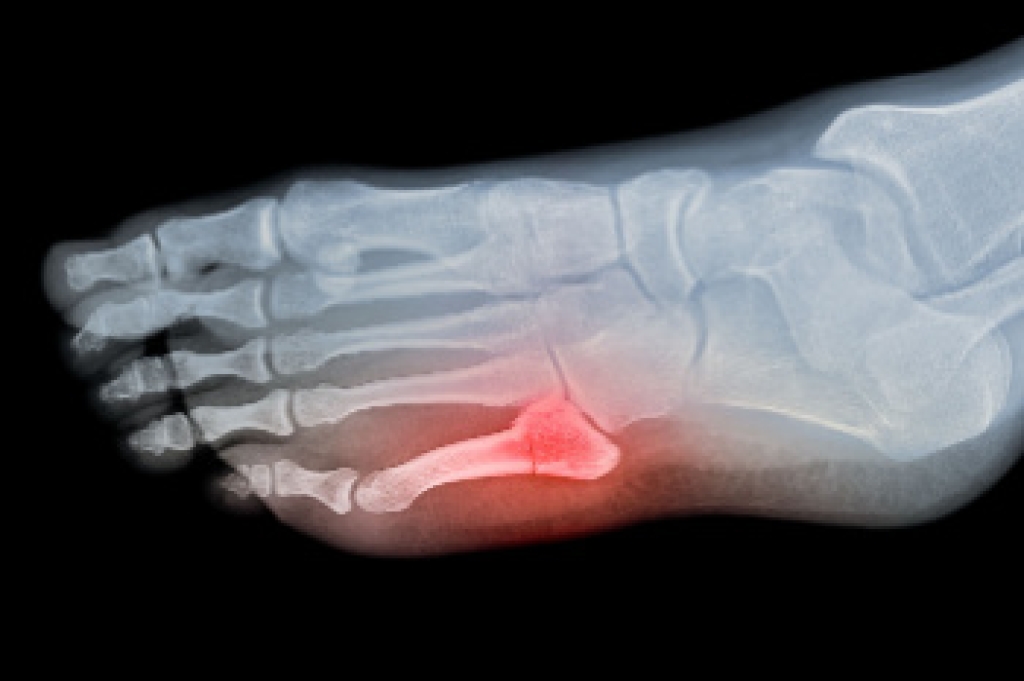
A swollen big toe can be painful and may interfere with walking or daily activities. One common cause is an ingrown toenail, which occurs when the nail edge grows into the surrounding skin and leads to redness and swelling. A fracture in the toe bone can also cause sudden swelling, bruising, and tenderness after an injury. Bunions often create chronic swelling at the base of the big toe due to joint misalignment. Additionally, gout is another cause and may lead to intense swelling, warmth, and pain from uric acid buildup. Hallux rigidus causes stiffness and swelling from arthritis in the big toe joint. A podiatrist can determine the exact cause through examination and imaging, then provide proper treatment to relieve pain and restore function. If big toe swelling persists or worsens, it is suggested that you consult a podiatrist for an expert evaluation and appropriate care.
Toe pain can disrupt your daily activities. If you have any concerns, contact one of our podiatrists of Apple Podiatry Group. Our doctors can provide the care you need to keep you pain-free and on your feet.
What Causes Toe Pain?
Most severe toe pain is caused due to a sports injury, trauma from dropping something heavy on the toe, or bumping into something rigid. Other problems can develop over time for various reasons.
Toe pain can be caused by one or more ailments. The most common include:
- Trauma
- Sports injury
- Wearing shoes that are too tight
- Arthritis
- Gout
- Corns and calluses
- Hammertoe
- Bunions
- Blisters
- Ingrown toenails
- Sprains
- Fractures (broken bones)
- Dislocations
When to See a Podiatrist
- Severe pain
- Persistent pain that lasts more than a week
- Signs of infection
- Continued swelling
- Pain that prevents walking
Diagnosis
In many cases the cause of toe pain is obvious, but in others, a podiatrist may want to use more advanced methods to determine the problem. These can range from simple visual inspections and sensation tests to X-rays and MRI scans. Prior medical history, family medical history, and any recent physical traumatic events will all be taken into consideration for a proper diagnosis.
Treatment
Treatments for toe pain and injuries vary and may include shoe inserts, padding, taping, medicines, injections, and in some cases, surgery. If you believe that you have broken a toe, please see a podiatrist as soon as possible.
If you have any questions please contact our offices located in Arlington Fort Worth, And Flower Mound, TX . We offer the newest diagnostic and treatment technologies for all your foot and ankle needs.
Tips for Seniors Wearing High Heels

Wearing high heels later in life adds pressure on the forefoot and increases strain on the toes and ankles, which can make balance more difficult and raise the chance of falls. When a heel sits too far back on the shoe and does not line up well with the leg bones, the foot is not properly supported and the ankle can become unstable. A heel positioned more directly under the leg helps improve balance, reduces wobbling, and lowers the chance of injuries. Choosing a shorter or wider heel eases pressure on the ball of the foot, and avoiding very narrow styles for long-term standing helps limit irritation. High heels also shift weight forward, which can lead to aching or burning beneath the ball of the foot. A podiatrist can offer guidance on safer footwear choices and prescribe orthotic inserts as needed. If you are experiencing foot pain or balance problems from wearing high heels, it is suggested that you make an appointment with a podiatrist for an exam and treatment.
High heels have a history of causing foot and ankle problems. If you have any concerns about your feet or ankles, contact one of our podiatrists from Apple Podiatry Group. Our doctors can provide the care you need to keep you pain-free and on your feet.
Effects of High Heels on the Feet
High heels are popular shoes among women because of their many styles and societal appeal. Despite this, high heels can still cause many health problems if worn too frequently.
Which Parts of My Body Will Be Affected by High Heels?
- Ankle Joints
- Achilles Tendon – May shorten and stiffen with prolonged wear
- Balls of the Feet
- Knees – Heels cause the knees to bend constantly, creating stress on them
- Back – They decrease the spine’s ability to absorb shock, which may lead to back pain. The vertebrae of the lower back may compress.
What Kinds of Foot Problems Can Develop from Wearing High Heels?
- Corns
- Calluses
- Hammertoe
- Bunions
- Morton’s Neuroma
- Plantar Fasciitis
How Can I Still Wear High Heels and Maintain Foot Health?
If you want to wear high heeled shoes, make sure that you are not wearing them every day, as this will help prevent long term physical problems. Try wearing thicker heels as opposed to stilettos to distribute weight more evenly across the feet. Always make sure you are wearing the proper shoes for the right occasion, such as sneakers for exercising. If you walk to work, try carrying your heels with you and changing into them once you arrive at work. Adding inserts to your heels can help cushion your feet and absorb shock. Full foot inserts or metatarsal pads are available.
If you have any questions, please feel free to contact our offices located in Arlington Fort Worth, And Flower Mound, TX . We offer the newest diagnostic and treatment technologies for all your foot care needs.

Toe Arthritis

Arthritic pain and stiffness in the toes often develop gradually and can make walking, standing, or wearing shoes uncomfortable. Degenerative joint changes are a common cause, especially with aging, past injuries, repetitive stress, or long-standing foot mechanics that overload small joints. Inflammatory conditions and autoimmune disease may also affect the toe joints. Common signs include aching or burning discomfort, swelling, reduced range of motion, and difficulty pushing off while walking. Some people notice joint enlargement, altered toe position, or increased pain with cold weather or activity. Care focuses on reducing stress through footwear changes, activity modification, and custom orthotics to improve alignment. Anti-inflammatory strategies, targeted exercises, and injections may help manage symptoms. In advanced cases, surgical options can restore function or relieve pain. Early evaluation often prevents progression and protects mobility. If you feel pain or stiffness in your toes, it is suggested that you see a podiatrist for a proper evaluation and treatment options.
Arthritis can be a difficult condition to live with. If you are seeking treatment, contact one of our podiatrists from Apple Podiatry Group. Our doctors can provide the care you need to keep you pain-free and on your feet.
Arthritic Foot Care
Arthritis is a joint disorder that involves the inflammation of different joints in your body, such as those in your feet. Arthritis is often caused by a degenerative joint disease and causes mild to severe pain in all affected areas. In addition to this, swelling and stiffness in the affected joints can also be a common symptom of arthritis.
In many cases, wearing ill-fitting shoes can worsen the effects and pain of arthritis. Wearing shoes that have a lower heel and extra room can help your feet feel more comfortable. In cases of rheumatoid arthritis, the arch in your foot may become problematic. Buying shoes with proper arch support that contour to your feet can help immensely.
Alleviating Arthritic Pain
- Exercises that stretch the foot can prevent further pain and injury and increase mobility
- Most of the pain can be alleviated with anti-inflammatory drugs, heat, and topical medications
- Massages can help temporarily alleviate pain.
It is best to see your doctor for the treatment that is right for your needs and symptoms. Conditions vary, and a podiatrist can help you determine the right method of care for your feet.
If you have any questions please feel free to contact our offices located in Arlington Fort Worth, And Flower Mound, TX . We offer the newest diagnostic tools and technology to treat your foot and ankle needs.