Tuesday, 27 January 2026 00:00

Proper foot care during childhood supports healthy growth of the feet, toes, and ankles and helps guide normal movement as a child becomes more active. Babies and young children rely on flexible, developing bones and soft tissues that respond to pressure, footwear, and activity levels. Watching for changes such as inward or outward turning of the feet, persistent toe-walking, or frequent tripping can help identify concerns early. Shoes that lack adequate support, including flip-flops, can create problems if they are worn for long periods, especially once a child begins walking outdoors. Footwear should allow room for the toes to move and match the natural shape of the foot to reduce the risk of pain or deformity. A podiatrist can evaluate a child’s gait, identify early structural issues, and guide care when symptoms affect walking or activity. If your child is exhibiting foot or mobility problems, it is suggested that you make an appointment with a podiatrist for a diagnosis and treatment.

The health of a child’s feet is vital to their overall well-being. If you have any questions regarding foot health, contact one of our podiatrists of Apple Podiatry Group. Our doctors can provide the care you need to keep you pain-free and on your feet.

Tips for Keeping Children's Feet Healthy

  • Make sure their shoes fit properly
  • Look for any signs of in-toeing or out-toeing
  • Check to see if they have Clubfoot (condition that affects your child’s foot and ankle, twisting the heel and toes inward) which is one of the most common nonmajor birth defects.
  • Lightly cover your baby’s feet (Tight covers may keep your baby from moving their feet freely, and could prevent normal development)
  • Allow your toddler to go shoeless (Shoes can be restricting for a young child’s foot)
  • Cut toenails straight across to avoid ingrown toenails
  • Keep your child’s foot clean and dry
  • Cover cuts and scrapes. Wash any scratches with soap and water and cover them with a bandage until they’ve healed.

If you have any questions, please feel free to contact our offices located in Arlington Fort Worth, And Flower Mound, TX . We offer the newest diagnostic and treatment technologies for all your foot care needs.

Read more about What to Do to Keep Your Child’s Feet Healthy
Tuesday, 20 January 2026 00:00

Toenail fungus, also known as onychomycosis, is caused by fungal organisms that infect the nail bed, often thriving in warm, moist environments like sweaty socks or communal showers. It may look like thickened, discolored nails that are yellow, white, or brown, sometimes with brittle or crumbly edges. In some cases, the nail may lift from the nail bed, causing discomfort or pressure when wearing shoes. Many individuals notice a change in nail texture and thickness before experiencing pain. Toenail fungus progresses slowly and can take months to become noticeable, making early intervention important for effective treatment. A podiatrist can diagnose onychomycosis through careful examination and sometimes laboratory testing to confirm the specific fungal organism. Treatment options include debridement to reduce nail thickness, prescription topical or oral antifungal medications, and advice on proper nail care and hygiene to prevent recurrence. If you notice persistent changes in your toenails, it is suggested that you make an appointment with a podiatrist.

For more information about treatment, contact one of our podiatrists of Apple Podiatry Group. Our doctors can provide the care you need to keep you pain-free and on your feet.

Toenail Fungus Treatment

Toenail fungus is a condition that affects many people and can be especially hard to get rid of. Fortunately, there are several methods to go about treating and avoiding it.

Antifungals & Deterrence

Oral antifungal medicine has been shown to be effective in many cases. It is important to consult with a podiatrist to determine the proper regiment for you, or potentially explore other options.

Applying foot powder on the feet and shoes helps keep the feet free of moisture and sweat.

Sandals or open toed shoes – Wearing these will allow air movement and help keep feet dry. They also expose your feet to light, which fungus cannot tolerate. Socks with moisture wicking material also help as well.

If you have any questions please contact our offices located in Arlington Fort Worth, And Flower Mound, TX . We offer the newest diagnostic and treatment technologies for all your foot and ankle needs.

Read more about How to Treat Your Toenail Fungus
Tuesday, 13 January 2026 00:00

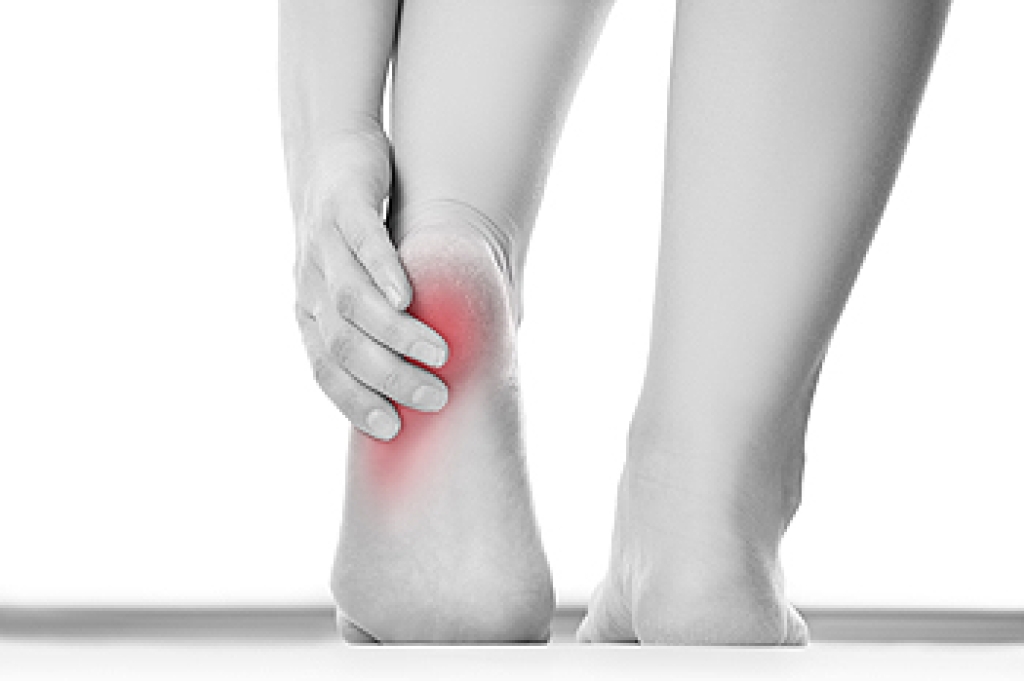
Sever’s disease is a common cause of heel pain in active children and adolescents during growth spurts. It occurs when the growth plate in the heel becomes irritated from repeated stress. The heel may look slightly swollen or red, and it is often tender to touch. It commonly feels sore, aching, or sharp, especially during or after sports, running, or jumping. Pain may improve with rest but returns with activity. A podiatrist can help from the start by reviewing activity levels, examining foot structure and gait, and confirming the diagnosis while ruling out other heel conditions. Treatment focuses on reducing strain on the heel and may include activity modification, heel cushions, supportive footwear, and guidance on proper warm-up and recovery. In some cases, short-term rest or immobilization may be needed to allow healing. Early care helps relieve pain, support healthy growth, and prevent ongoing discomfort. If your child is having heel pain, it is suggested that you make an appointment with a podiatrist.

Sever's disease often occurs in children and teens. If your child is experiencing foot or ankle pain, see one of our podiatrists from Apple Podiatry Group. Our doctors can treat your child’s foot and ankle needs.

Sever’s Disease

Sever’s disease is also known as calcaneal apophysitis, which is a medical condition that causes heel pain I none or both feet. The disease is known to affect children between the ages of 8 and 14.

Sever’s disease occurs when part of the child’s heel known as the growth plate (calcaneal epiphysis) is attached to the Achilles tendon. This area can suffer injury when the muscles and tendons of the growing foot do not keep pace with bone growth. Therefore, the constant pain which one experiences at the back of the heel will make the child unable to put any weight on the heel. The child is then forced to walk on their toes.

Symptoms

Acute pain – Pain associated with Sever’s disease is usually felt in the heel when the child engages in physical activity such as walking, jumping and or running.

Highly active – Children who are very active are among the most susceptible in experiencing Sever’s disease, because of the stress and tension placed on their feet.

If you have any questions, please feel free to contact our offices located in Arlington Fort Worth, And Flower Mound, TX . We offer the newest diagnostic and treatment technologies for all your foot care needs.

Read more about Sever's Disease
Thursday, 08 January 2026 00:00

Have your feet inspected by a professional before starting a new sport or physical activity. Taking charge of your foot health will keep you in good physical condition and can help you avoid a potential injury, such as a fracture or sprained ankle.

Prevent injuries and see a foot specialist.